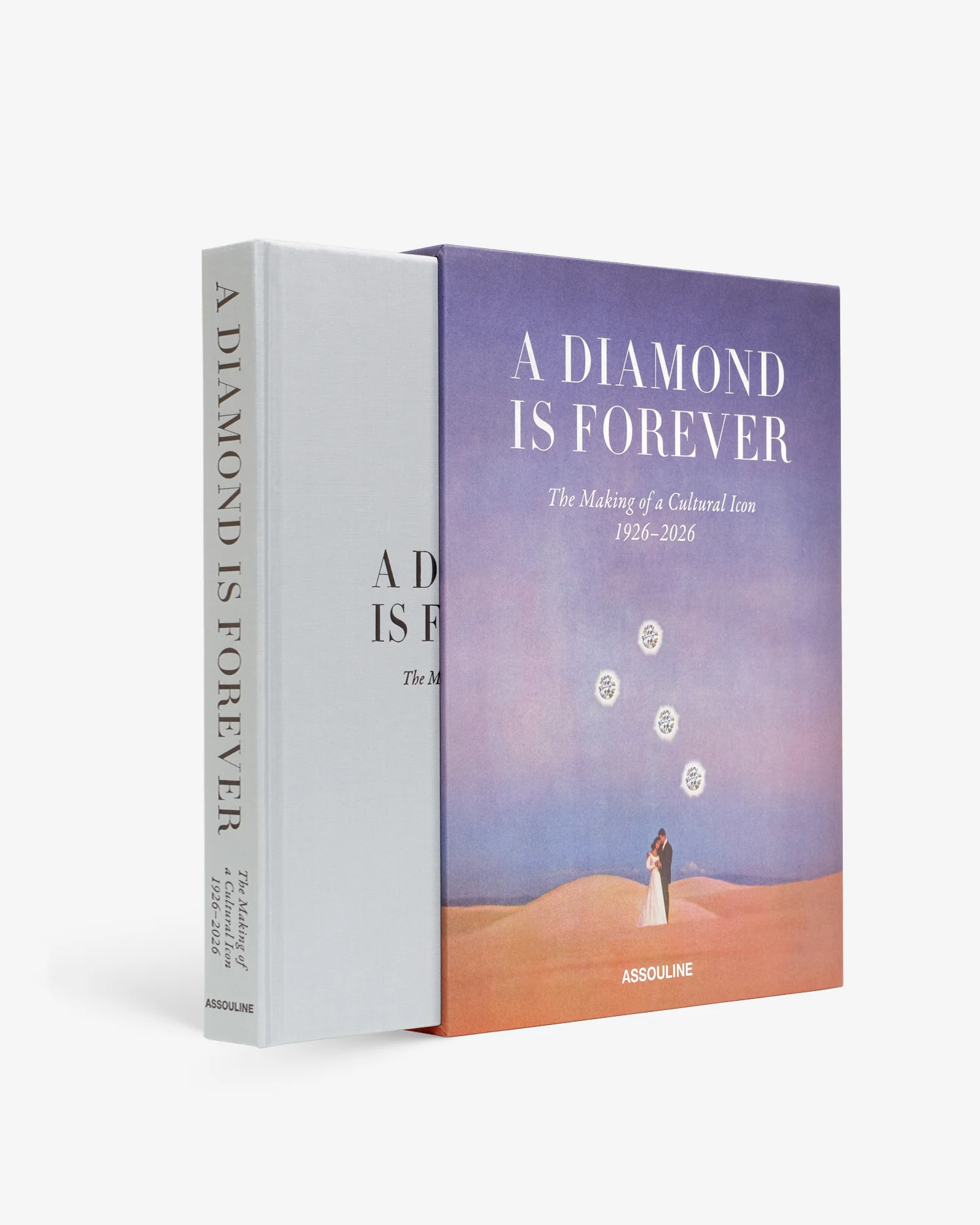
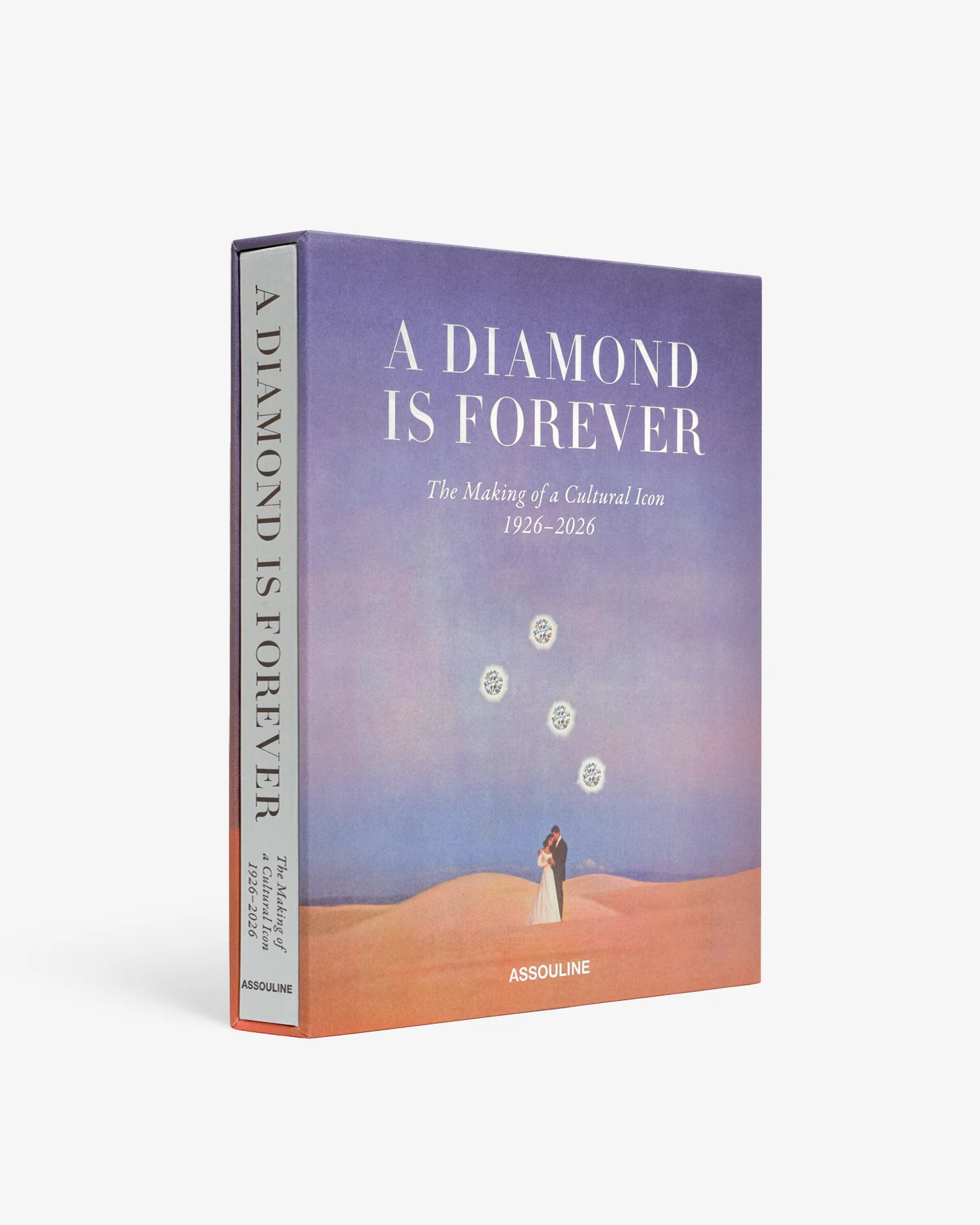
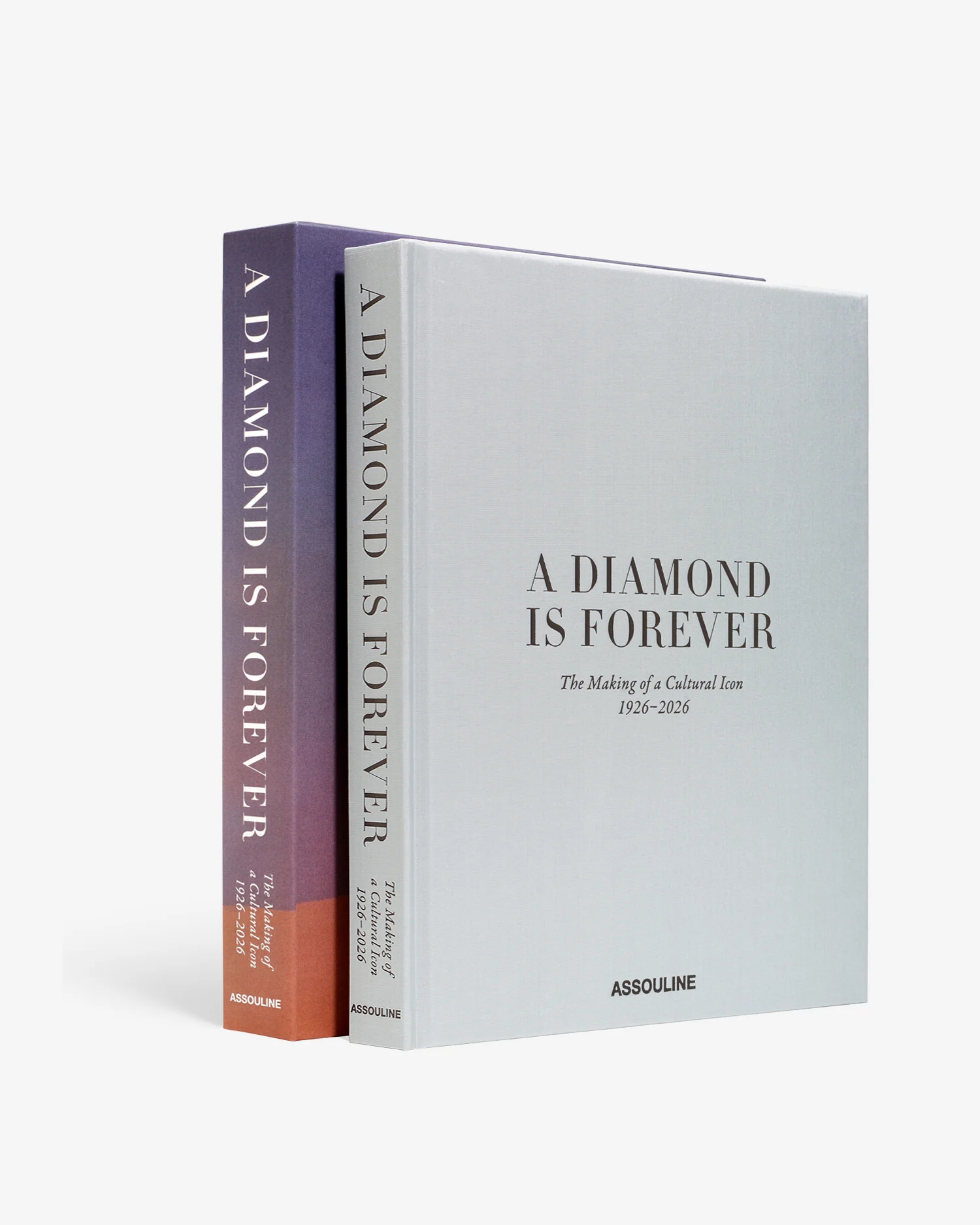
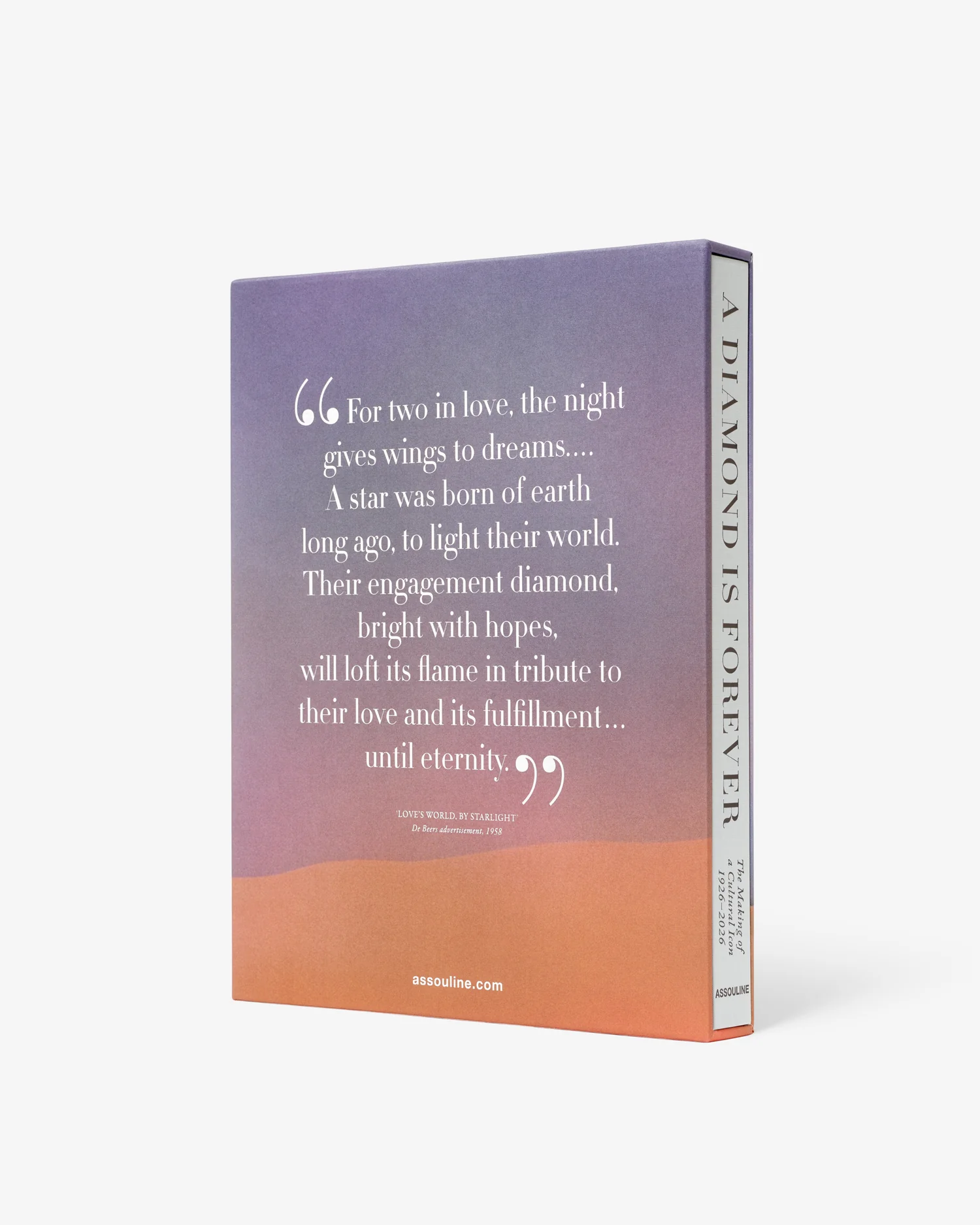
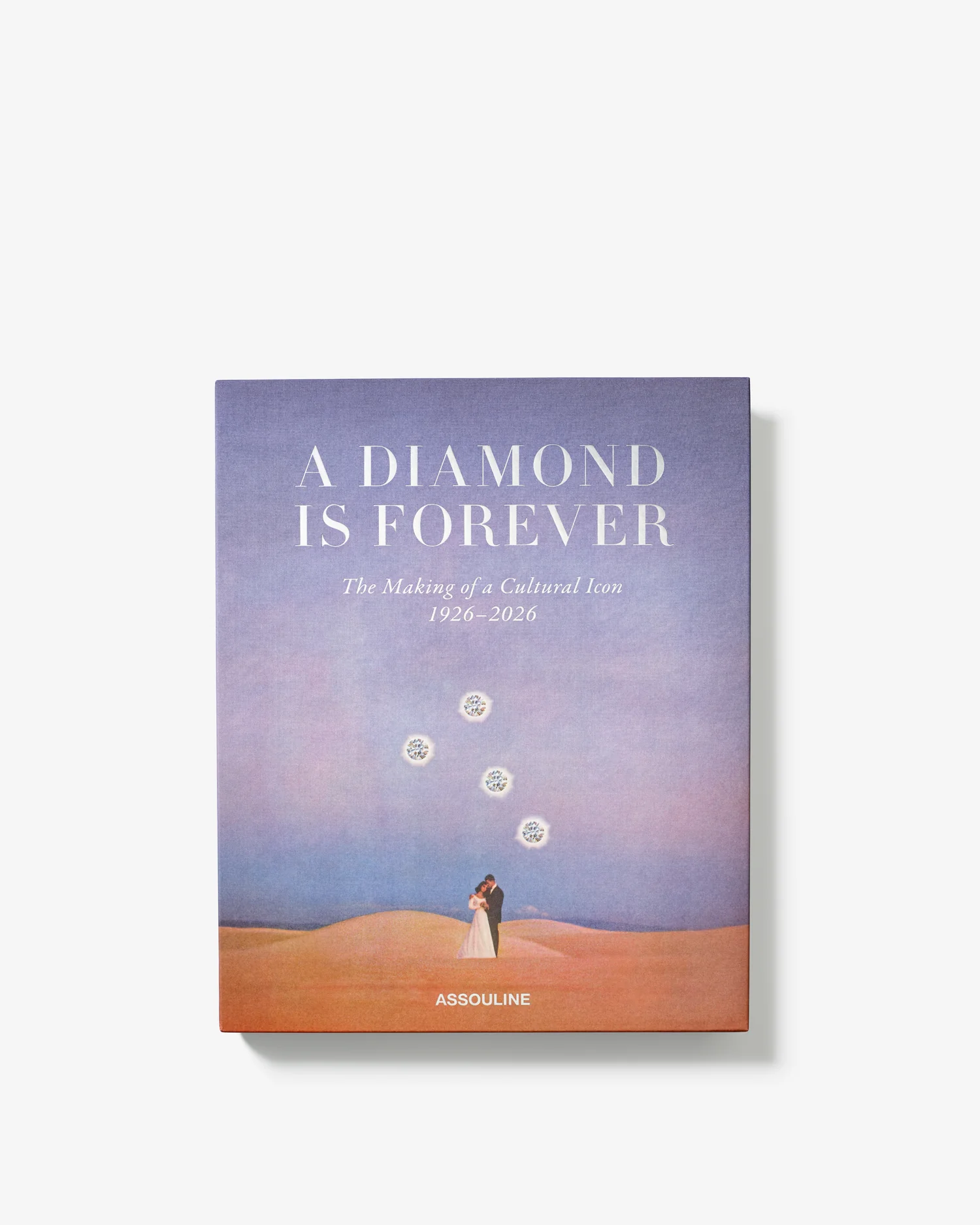
A Diamond is Forever
In the 1930s, De Beers redefined the role of diamonds in society, celebrating them as masterpieces of nature and craftsmanship. Before this, diamond jewelry pieces were treasures exchanged discreetly amongst society’s elite, as luxury houses, fearful of diminishing their mystique, fostered only private relationships with their clients. De Beers revealed the wonder of diamonds to a wider audience, shifting the perception of them from luxury item to a gift integral to romantic milestones and aspirational, glamorous lives, as well as a way of marking personal achievement.
When copywriter Frances Gerety captured the diamond’s essence with the phrase “A Diamond Is Forever” in 1947, the declaration enshrined the diamond as a promise of love and endurance, a sentiment resonating far beyond the notion of a simple gift. Gerety’s words, seen on archival advertisements, magazine placements, and celebrity endorsements, reflected the deep cultural connection between diamonds and enduring relationships. Commissioned artwork from artists such as Pablo Picasso, Salvador Dalí, and Raoul Dufy draws a direct line between a diamond’s rarity—each one formed deep within the earth over billions of years—and the creative genius of fine art. By sharing these artistic visions with the world, De Beers revealed the wonder of diamonds—nature’s oldest treasure—to a wider audience, elevating their aura and allure while preserving the sense of rarity and significance that sets them apart.
For a century, the story of diamonds has been one of transformation and continuity. In the 1960s, stars like Elizabeth Taylor and Marilyn Monroe adorned themselves with diamonds, embodying the elegance and glamour associated with the gemstone. The 1990s “Shadows” campaign, with its evocative pairing of diamonds and the neoclassical composition Palladio by Karl Jenkins, captured the essence of the diamond: authentic, unique, and everlasting.
In recent years, the conversation around diamonds has expanded to include provenance, sustainability, and ethical stewardship, affirming the diamond’s place as a symbol not just of love but of responsibility and conscience. Much like walking through a gallery that traces the evolution of artistic expression, A Diamond Is Forever offers a view into how diamonds have come to embody the shifting ideals and aspirations of society itself.
Product Information
Product Information
Shipping & Returns
Shipping & Returns
Description
In the 1930s, De Beers redefined the role of diamonds in society, celebrating them as masterpieces of nature and craftsmanship. Before this, diamond jewelry pieces were treasures exchanged discreetly amongst society’s elite, as luxury houses, fearful of diminishing their mystique, fostered only private relationships with their clients. De Beers revealed the wonder of diamonds to a wider audience, shifting the perception of them from luxury item to a gift integral to romantic milestones and aspirational, glamorous lives, as well as a way of marking personal achievement.
When copywriter Frances Gerety captured the diamond’s essence with the phrase “A Diamond Is Forever” in 1947, the declaration enshrined the diamond as a promise of love and endurance, a sentiment resonating far beyond the notion of a simple gift. Gerety’s words, seen on archival advertisements, magazine placements, and celebrity endorsements, reflected the deep cultural connection between diamonds and enduring relationships. Commissioned artwork from artists such as Pablo Picasso, Salvador Dalí, and Raoul Dufy draws a direct line between a diamond’s rarity—each one formed deep within the earth over billions of years—and the creative genius of fine art. By sharing these artistic visions with the world, De Beers revealed the wonder of diamonds—nature’s oldest treasure—to a wider audience, elevating their aura and allure while preserving the sense of rarity and significance that sets them apart.
For a century, the story of diamonds has been one of transformation and continuity. In the 1960s, stars like Elizabeth Taylor and Marilyn Monroe adorned themselves with diamonds, embodying the elegance and glamour associated with the gemstone. The 1990s “Shadows” campaign, with its evocative pairing of diamonds and the neoclassical composition Palladio by Karl Jenkins, captured the essence of the diamond: authentic, unique, and everlasting.
In recent years, the conversation around diamonds has expanded to include provenance, sustainability, and ethical stewardship, affirming the diamond’s place as a symbol not just of love but of responsibility and conscience. Much like walking through a gallery that traces the evolution of artistic expression, A Diamond Is Forever offers a view into how diamonds have come to embody the shifting ideals and aspirations of society itself.